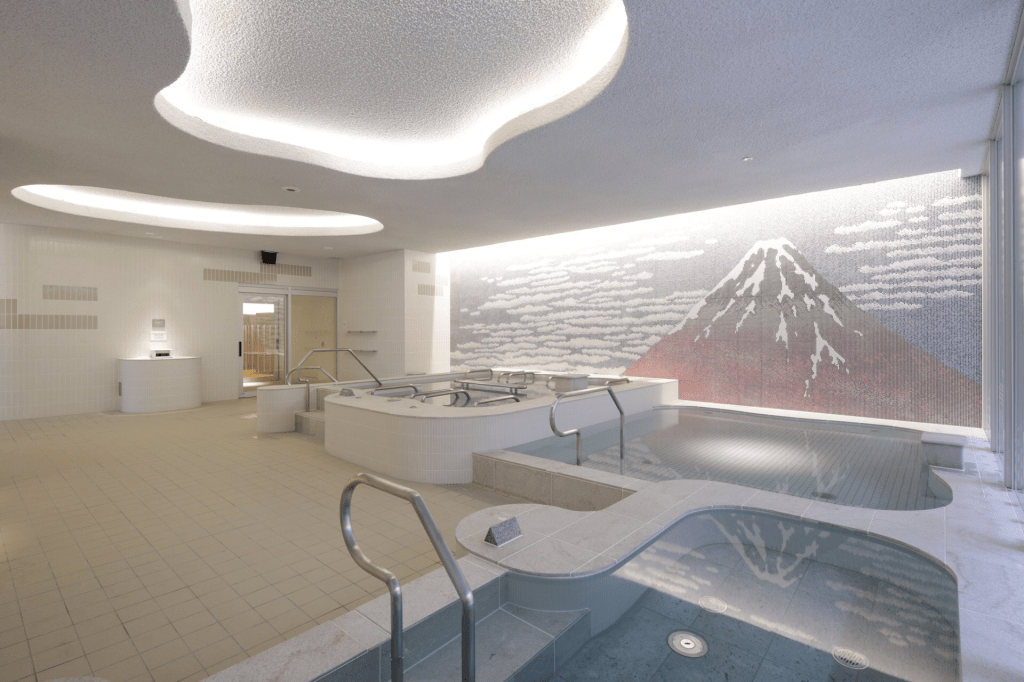
Minimalist, expansive, focused.
Tatoos Okay? No
Sauna? Yes
Price? $$
Should I Bring Toiletries? No. Price is inclusive of amenities.
Best For? Those looking to take a breather after sightseeing in East Tokyo (Asakusa, Akihabara, Ueno, etc.). Those looking for a high quality super-sento at a lower price point, or something off the beaten path that attracts fewer foreign tourists than other super sento complexes.
Nearest Station? Ryogoku Station (Oedo Line) (1 minute walk), Ryogoku Station (JR Line, 8-10minute walk
The venue Located in Tokyo’s Ryogoku neighborhood, famous for the Kokugikan Sumo stadium, which hosts Japan’s largest sumo tournaments. Edo-yu Ryogoku is an excellent, low-key super sento that provides a large scale Japanese bathing experience without relying on gimmicks that make it feel excessively “touristy”. Let’s take a look at what sets Edo-yu Ryogoku apart as a super sento!
What is a Super Sento?
While I have used the term sparingly in other articles, I would like to pause for a moment to explain what exactly a “super sento” is. In contrast with a regular sento, a super sento is not only larger in size, but is typically marketed as more of a luxury and cultural experience than as a utilitarian public bath. Super sento are often targeted at tourists (both domestic and international), and are more likely to include “spa services” (massage, body scrubs, etc.) and often are themed around aspects of traditional Japanese culture (yukata/traditional Japanese robes are often given out, for example).
To combat the closing of sento around Japan due to the installation of household baths in the 20th century, super sento were introduced as a way to revive sento culture, and became popular in the 1980-1990’s. This sparked what is now referred to as Japan’s second sauna boom (the first being after the 1964 Tokyo Olympics).
While there can be tension between neighborhood sento and super sento (see the description for this sento here), with the former pulling customers away from less flashy neighborhood sento, I find that they are often a blast to visit, and can offer a high quality bathing experience that can coexist with smaller neighborhood venues (see here).
Aesthetics
Edo-Yu Ryogoku has a consistent minimalist motif that is visible throughout the facility. Perhaps the most prominent example of this, nearly every floor has a major portion made of light wood, with white accents nearby. This can be seen from the get-go, with the facility’s entrance demonstrating the same color scheme that is constant throughout.

The wood and white motif continues through each of the five floors of the facility, with the inside providing a few nice touches of distinctly Japanese additions. For instance, the primary bathing area’s wall mural appears to be of the famous ukiyo-e (Japanese woodblock carving) Great Wave off Kanagawa. While maintaining the motif presented outside and in the lobby, I found the subtle yet prominent addition of the distinctly Japanese style mural to be an excellent touch without feeling too gaudy, as some tourist attractions/super sento can feel.
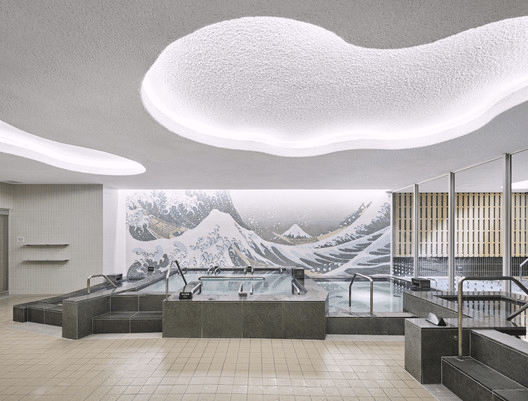

Outside of the gender segregated bathing area, there are two primary areas; the relaxation area and the bedrock sauna (which I will cover in the facilities section of this review). The relaxation area maintains the consistent, wood and white motif found in the rest of the facility, while adding wooden windows in the style of a ryokan (Japanese style inn). With areas to nap, work, and read nearby, I found the simple, non-distracting aesthetics of the space to put me at ease while relaxing.

Culture/Vibe
Unlike the previous facilities I have reviewed thus far, Edo-Yu Ryogoku isn’t aimed to serve as a community space, since it is a super sento. With that in mind, I would say that the culture here isn’t as relevant as much as the overall vibe is. In my visits to the venue, I noticed a distinct lack of foreign tourists compared to other super sento (Spa Laqua, Thermae-yu, etc.). I think a part of this was intentional, as it seems more catered to domestic visitors, and has less English/Chinese/Korean signage (but not completely absent) than other super sento in Tokyo. With that in mind, I do think that explains why Edo-yu Ryogoku has more design choices that feel targeted at a Japanese audience. For example, the rest areas felt notably quieter, and had more work spaces and less “spa services” than other super sento I have visited.
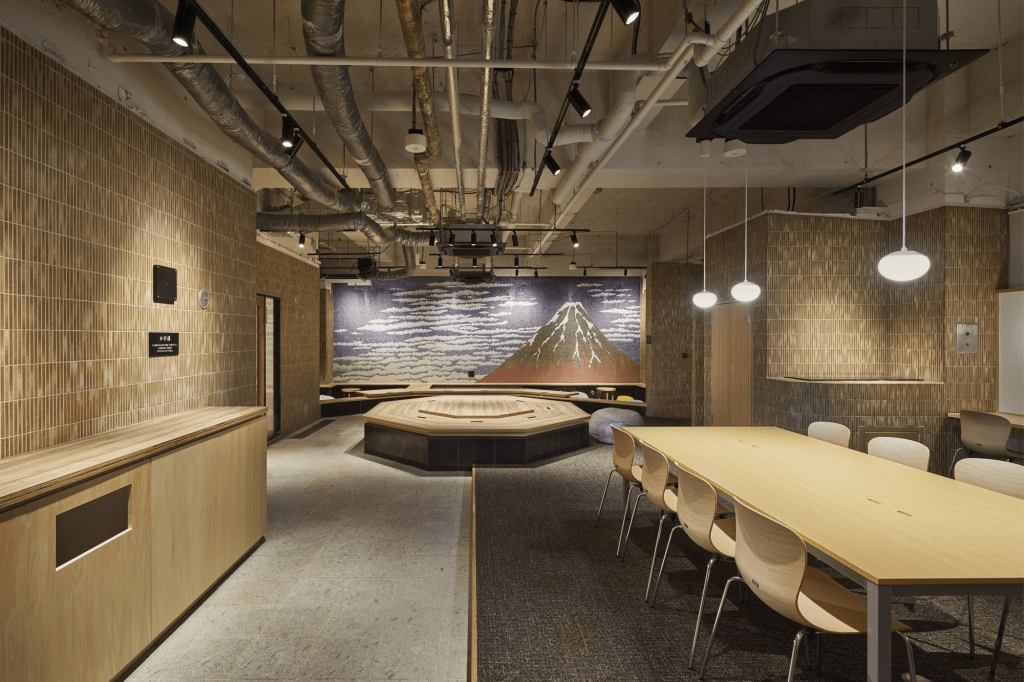
I sincerely appreciate how the venue, despite being a large bathing complex, maintains a relaxed atmosphere, and allows me to avoid feeling like I need to get the absolute most out of my experience to get my money’s worth. The relatively low price point (especially if you visit on a weekday/non holiday) helps contribute to this as well.
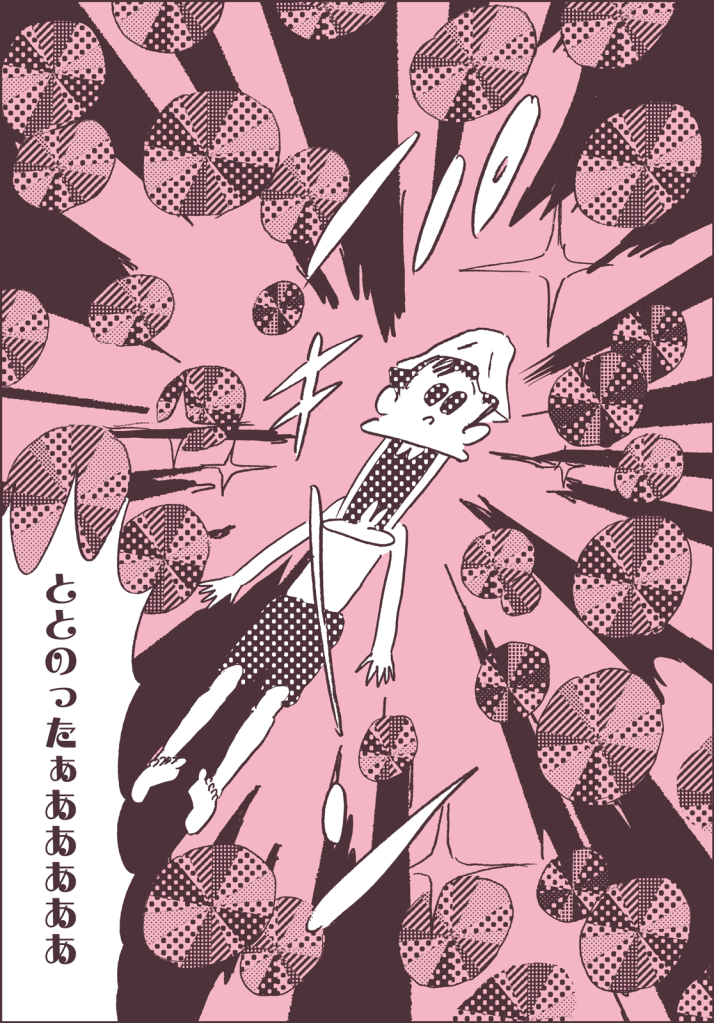
Edo-yu Ryogoku also had saunners/sauna enthusiasts in mind with several design choices throughout. For instance, above the cold plunge pool, there is a guide with characters from the Sado manga about how to achieve totonou in six steps. While subtle, I found this was a great touch, and I have used the guide at other facilities as well (which itself is worthy of an article).
Another design choice for the sauners, the bathing area features a recommended order of how to use the baths and sauna for optimal effect. It is written in Japanese across one of the walls (not translated into English), and goes into the step-by-step on what is the best order to use the facilities in. I know of only a few venues in various countries that provide this kind of information, but I always appreciate when it is made available. I think it’s a fantastic idea, and I always try and implement it when I visit.
Facilities
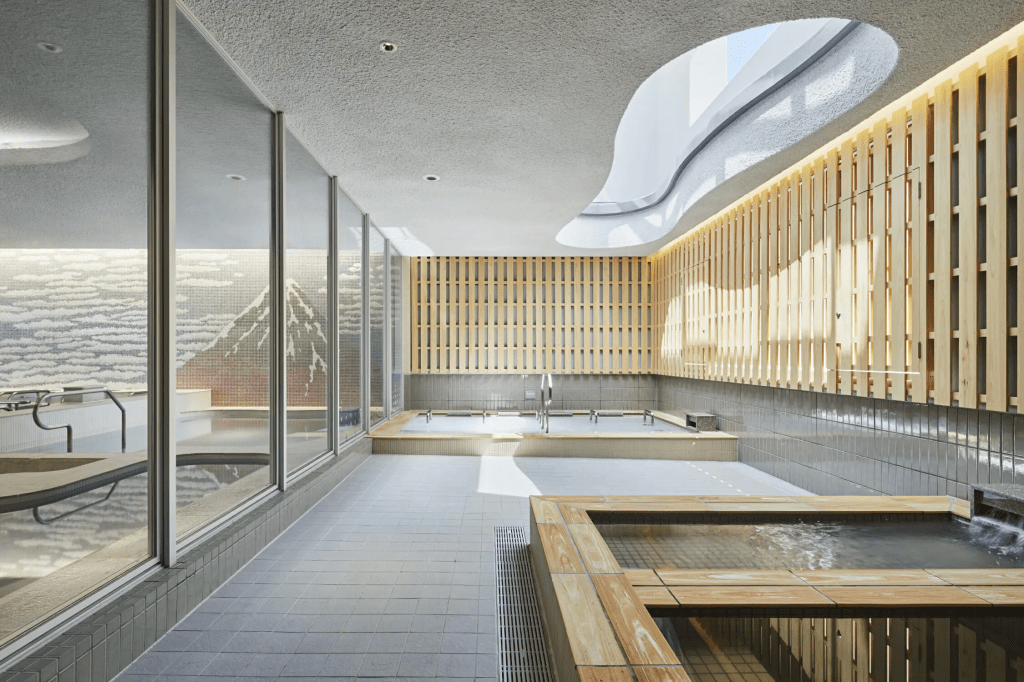
The main gendered bathing area hosts five different baths. The indoor portion features a standard heated bath (jetted and non-jetted), a cold plunge pool, and a carbonated bath. The low rise, wide carbonated bath stood out as a highlight for me. Nestled under the Great Wave off Kanagawa mural, I found it to be a great place to warm up before starting any serious sauna endeavors.
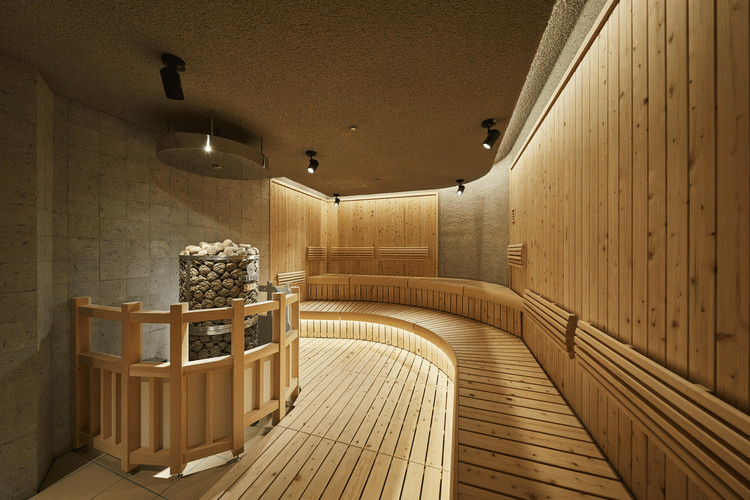
There are two saunas adjacent to the bathing area: a Finnish style sauna and a lower temperature sauna (the women’s section swaps this with an aromatic steam room). The Finnish sauna had a nice medium heat, medium humidity maintained throughout my visits (thanks to the auto-loyly, which is the Finnish word water dispensing over the sauna rocks to increase/sustain the heat). It contrasted well with the nearby cold plunge and served its job well. The lower temperature sauna on the mens side was a nice option as well for those who want a less extreme experience, even if I didn’t use it much during my visits.
The remaining two baths are in a semi outdoor area (covered canopy, with an open face window toward the ceiling, tucked away in a corner). Closest to the door is the Chinese medicinal bath. Filled with various herbs, you come out of the bath with a distinct yet pleasant earthy smell after a few minutes. Across the room is the open air sleeping bath, filled with what Edo-yu’s website describes as air bubbles that remove dirt from the body. This bath has access to the open air atrium, which I found to be a great contrast on a cold day with the warm resting bath.
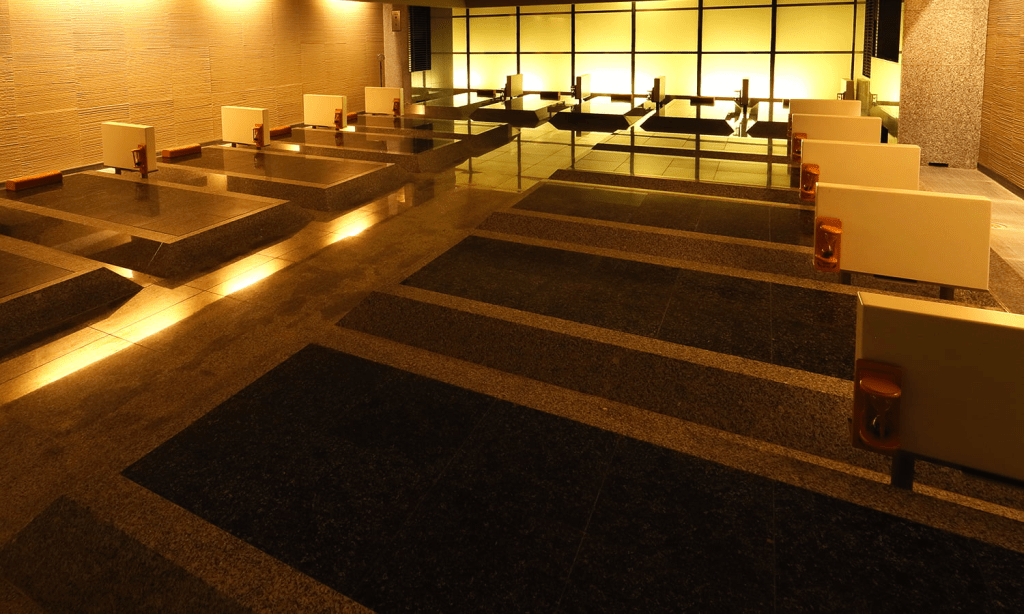
One last remaining area that I haven’t discussed is on an entirely separate floor: the bedrock sauna. Similar to a Korean style jjimjilbang (찜질방, for those who can read Korean), the room is referred to as the “Shirishibo”. On the facility’s website, it is described as:
“a room where each person can relax in their own bed space. The “Zakuro-guchi'” (small door) reminiscent of public baths from the Edo period maintains a constant humidity and temperature inside the room. The bedrock is Liaoning stone, which contains a lot of organic germanium.”
The room has a a sleek, black finish to it, and I found it to be a nice middle ground between the lounge area, and the more concentrated bathing and sauna area. I found I enjoyed it the most towards the end of my visits, serving as a nice way to work up a sweat if I didn’t have the stamina to do another extreme hot/cold cycle.
Limitations/shortcomings
Unfortunately for my inked readers, the venue does not allow entry for tattooed visitors. For whatever reason, I have found that super sento (at least in Tokyo) are consistently the most strict about the no tattoo policy (I find that lot of hip smaller sento allow tattoos to attract a younger, urban crowd). I imagine that this is due to more expensive venues wanting to cater to families and provide more of a a “luxury” experience. As such, they take extra precautions to keep Yakuza out. Regardless, if you have tattoos, I would suggest visiting of the numerous tattoo-friendly facilities that I have reviewed.
Additionally, since it is a bit more off the beaten path, I would come with at least a few Japanese phrases prepared, as the facility isn’t really set up with a lot of English infrastructure. That said, the staff is incredibly helpful. I don’t consider this a demerit by any means (this is in Japan after all), but just something to consider before you go if this is a dealbreaker, or you are planning on swapping this in place of a super sento that is more accessible for first time visitors.
Verdict:
Edo-yu Ryogoku has a cultivated minimalist vibe, while simultaneously providing the most out of its bathing, sauna, and lounge facilities. Giving a more concentrated experience, I would recomend Edo-yu Ryogoku for someone who enjoyed a first trip to a super sento, and is curious about making steps towards exploring more of Japan’s sauna culture outside of the general English speaking tourist circuit, but isn’t sure where to go next. Regardless of your reasons for visiting, you certainly won’t regret it.

Food Pairing:
Tonkatsu Hasegawa.
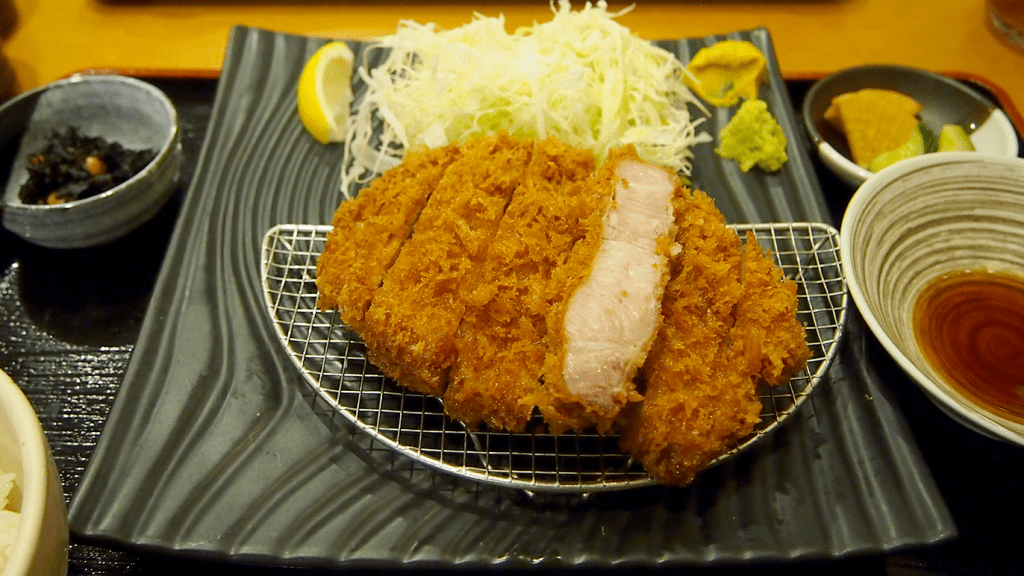
Located near JR Ryogoku Station (roughly a ten minute walk from the venue), this restaurant is on the Michelin Bib Gourmand list. The aforementioned list covers restaurants that the Michelin Guide recognizes as high quality, and more budget friendly than its Michelin Star counterparts (a general travel tip I would give for anyone visitng Tokyo as well).
I had to wait around 30 minutes to secure a table, but the food was absolutely worth the wait. With an extra crispy coating and a high quality, fatty cut of pork, my taste buds were happy with every second that I waited in line.
For 1800 yen (a little over $12.50 USD), I was able to get a full Tonkatsu set with a side salad, miso, tea, and two vegetable sides. In my view, very well worth it for a Michelin recognized meal.
Authors Note: Much like a wine pairing with a good meal, I find that finding the right bite to eat after a sento/sauna session to help make my totonou/sauna high that much more euphoric. As such, I am considering adding a food pairing suggestion as a staple of my reviews if this is received well, or something readers would be interested in.
Thank you all for reading, I wish you a Merry Christmas. Happy Holidays, and hope you can make the time to find a piece of “tototnou” in your week!
 Sauna Sensei