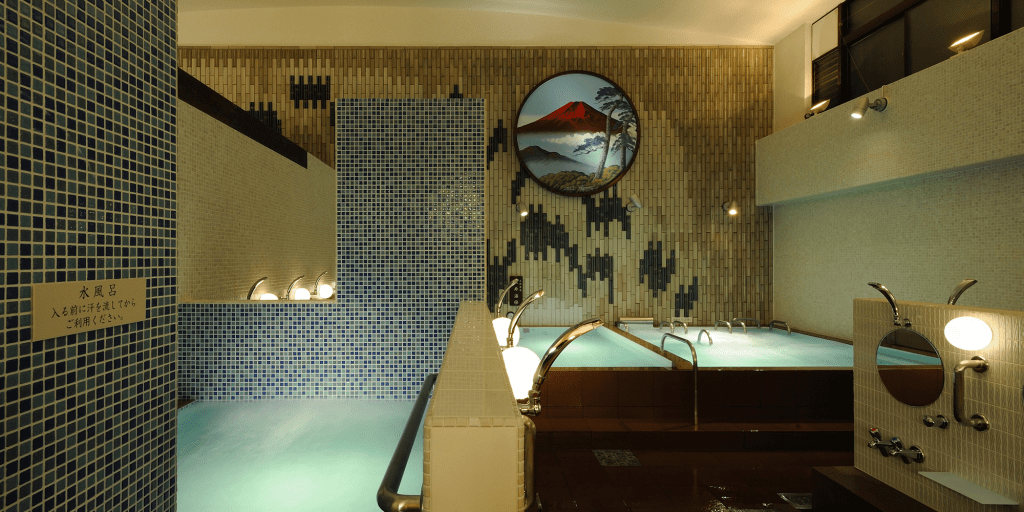
Classy, cozy, sublime
Tattoos okay? Yes
Sauna? Yes
Price? $
Should I Bring Toiletries? Yes. Shampoo and soap not on site, but are available for rent. Same with towels. Bring your sauna hat!
Best for? Those looking for a refined venue with excellent facilities, while experiencing a slice of the more quiet side of Tokyo.
Nearest Station? Ikejiri-ohashi Station (Den-en-toshi Line)
Located in the posh residential Meguro Ward, Bunka Yokusen provides a classy experience, while cultivating a neighborhood feeling that prevents it from feeling too pretentious.
Aesthetics:
A work of the legendary sento architect Kentaro Imai, the aesthetics of Bunka Yokusen match the quality I have come to expect from his works. His signature spaciousness, meditation bath, and sleekness are all present here and do not disappoint.
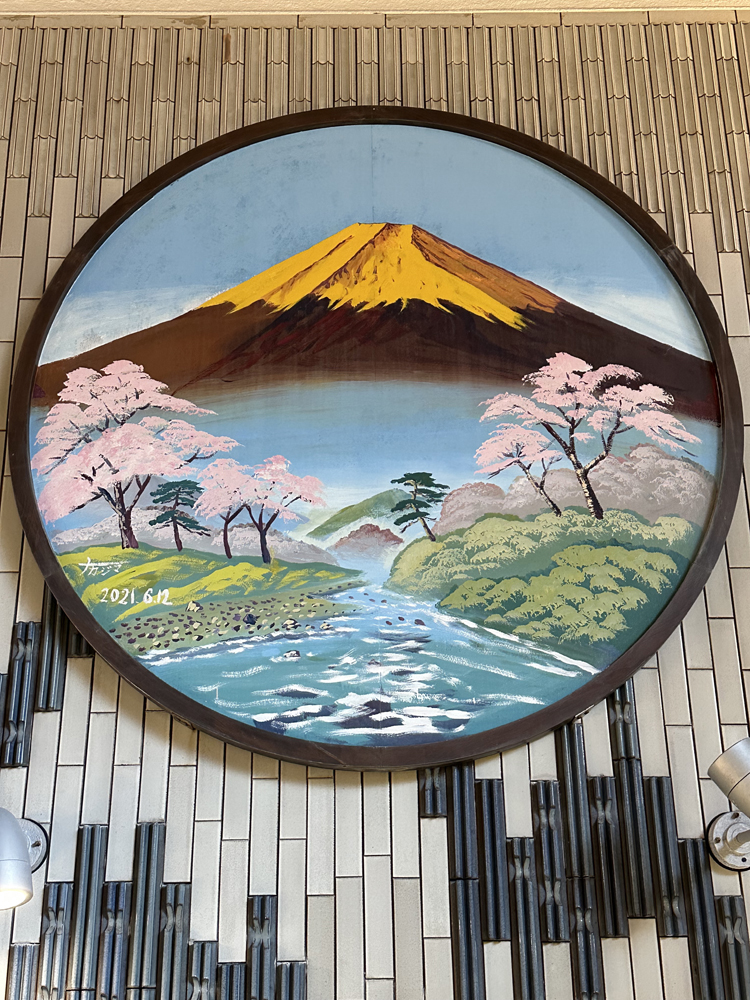
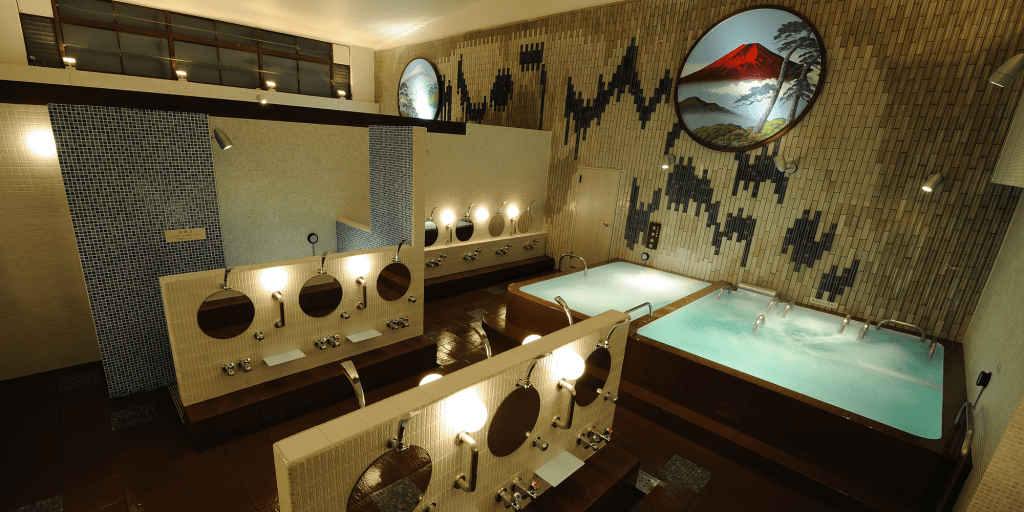
A note on Imai’s architectural page for the venue that stood out discussed the artwork of the facility. While wall length paintings of Mount Fuji are a staple at sento throughout Tokyo, they are notably absent at Bunka Yokusen. Instead, the bath portion adorns two (one on the men’s side, one on the women’s side) circular, 1.8 meter long painted pictures of a mountain on each. While a small detail, the paintings are beautiful, and gives Bunka Yokusen a different flair that sets it apart from other sento.
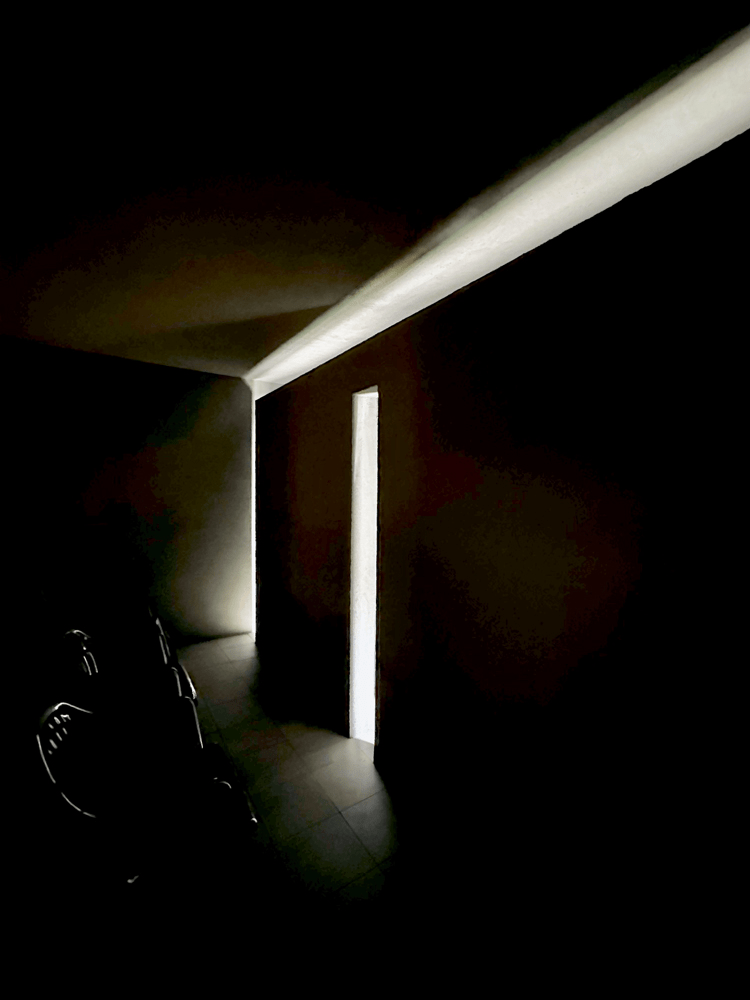
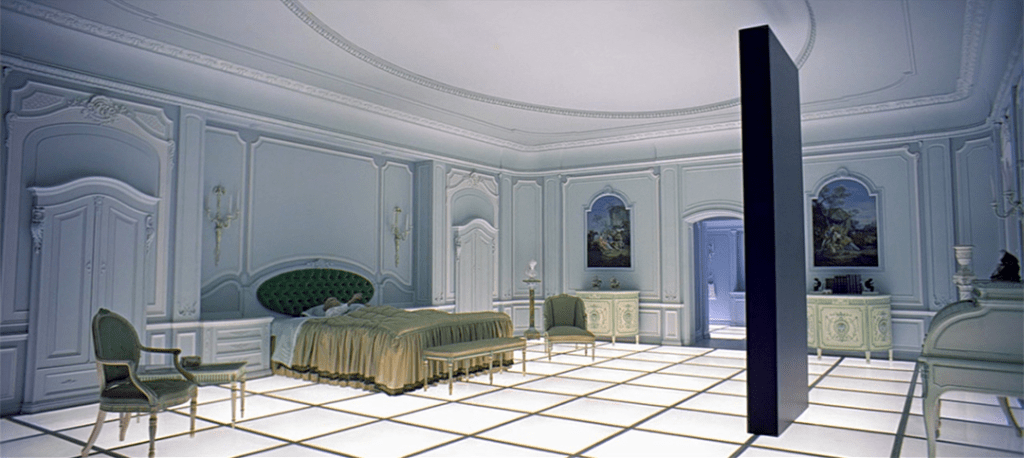
Bunka Yokusen excels at striking the balance between comfortable and cool. A key example of this can be found in the venue’s relaxation room. Nestled in the corner next to the warm baths, often packed with chatty families and patrons, the relaxation room transports you into what seems like another world. Serene, simple, and sleek, the room allows bathers to enter a state of totonou/relaxation undistracted by what feels like a family living room right outside. With essential oils/lit incense in the back and the Monolith from “2001: A Space Odyssey” aesthetic (my personal favorite movie), I found the space to be one of the highlights of my several visits.
A lot of the aesthetic portions of the venue overlap with the culture, so I will chose to write more about relevant aesthetic features in that section. As such, this section is a bit lighter than what I usually strive for.
Culture/vibe:
In Japanese, Bunka Yokusen literally translates to “Cultural Bath”. On Bunka Yokusen’s website, more information is provided on the venue’s mission statement that I found to help explain the naming choice:
“Since its founding in 1932, Bunka Yokusen has been supported by the patronage of everyone, and has reached its present state. In 2011, the bathhouse was completely renovated, and while retaining its old-fashioned public bath features, it was reborn as a modern public bath that pursues healing and comfort”
“The concept behind the renovation is “SLOW,” and we aim to “provide a space where our customers can stay for as long as possible.” As part of this, we play jazz background music not only in the lobby but also in the bathtubs, an initiative that is difficult to find at other public baths.”*
*translated from Japanese using Google
I found “slow” as the perfect word to hone in on how Bunka Yokusen felt so cool and cozy all at once. Classy without trying too hard, the renovation seems to have served the sento well, breathing new life into the facility.
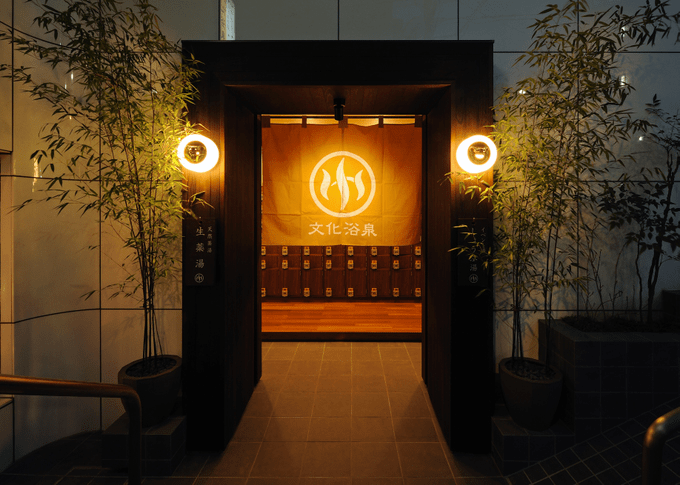
Walking into the venue, you immediately notice the all-wood finish of lobby, adornished with minimal furniture, as well as a merchandise display with t-shirts and sauna hats donning Bunka Yokusen’s logo (also on the entrance flag at the door). The end result is something between your midwestern aunt’s house and a trendy coffee shop with wicker furniture (hard to pull off, but trust me, Bunka Yokusen pulls it off).
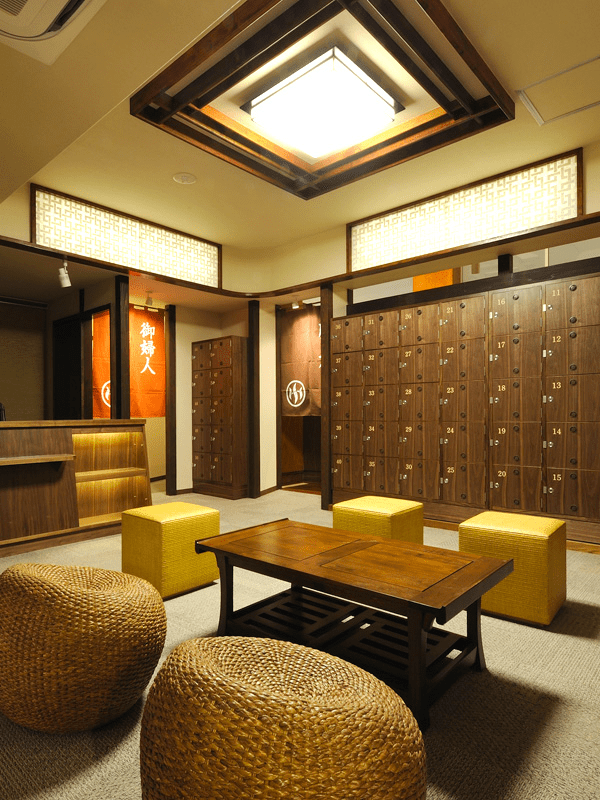
Imai’s architectural page, strangely enough, gives some insight into this:
“For budget considerations, this project was premised on existing parts being reused as much as possible. So, the main issue was coordination of existing parts and new parts, those were integrated in an interesting mismatch sense”.
Further expanding on this, Imai explains that:
“Of course, less waste is preferred from an ecological angle, and used materials have a nice charm from aging that new materials do not have”.
This consicely put into words what gives Bunka Yokusen an older feel, while simultaneously feeling modern and incredibly well refined.
Facilities:
Inside the bathing area, the retro charm slowly transitions into serene, masterfully crafted bath and sauna facilities.
The bathing area features two prominent warm baths, as well as a cold plunge pool. The larger bath is a relatively standard heated sento bath. Clean, well kept, and relaxing. The smaller bath adjacent to it requires a bit more explaining. The cloudier looking, lighter bath utilizes “nanobubles”. On the Bunka Yokusen website, they are explained as such:
“Our bubble bath contains many nano bubble particles. Nanobubble particles have been proven to have a variety of effects, including ultrasonic waves, weight loss, thermal effects, and even the possibility of inhibiting the formation of arteriosclerotic lesions..”*
*Translated from Japanese using Google and Deep L
While I don’t entirely understand all of the description and imagine some of the meaning is lost in translation (from what I could read in Japanese, it did talk about diet effects and I believe anti-aging), the bath felt fantastic on my skin, and certainly added to my experience.
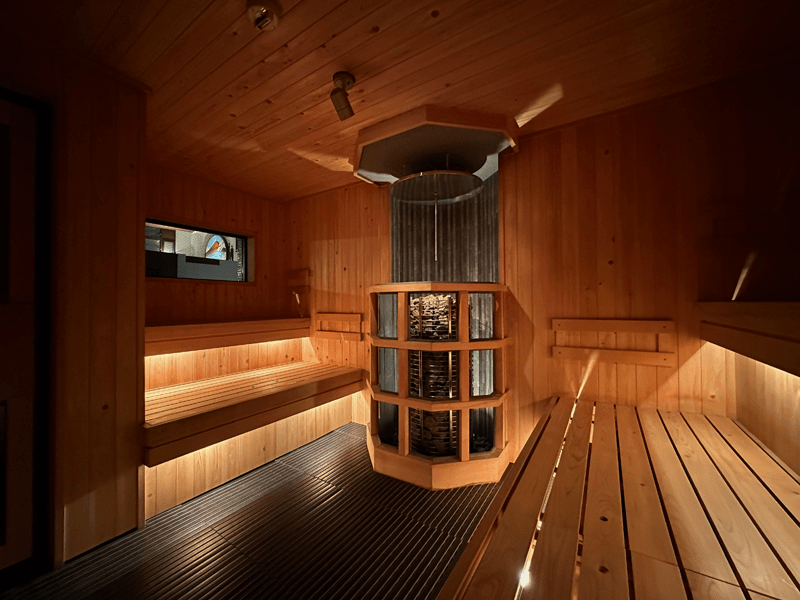
The sauna, featuring an auto loyly* that lights up an otherwise dimly lit room, is top notch. Living up to its name (Bunka Yokusen meaning Cultural Sauna), the sauna has selected jazz music playing at an audible, but not distracting volume. In combination with the dim lighting and small window with a view of the baths, entering the sauna feels like stepping into another world; more relaxed and a bit cooler than the one before it.
*Loyly: water pouring on the sauna rocks to increase the heat and humidity of the room
Directly across the room from the sauna lies a cold plunge pool (not pictured) in the opposite corner. Jets move the cold water around to make for a chilly, moderately deep (probably around three to four feet) cold plunge experience. The temperature is cold, and contrasts well with the high heat suana temperature.
Limitations/shortcomings:
If you want to use the sauna, be prepared to wait! On my two weekend trips, I have had to wait around 45 minutes to use the sauna. Both waits were well worth it, but if you want to avoid the lines, I would recommend arriving right as they open, or visiting on a weekday.
While I wouldn’t consider this a shortcoming, the cold plunge pool felt like it may have used chlorine. While this is is standard in some countries, I haven’t been able to smell any noticable chlorine in any of the baths in Japan. May have been something else, but it did stand out on one of my visits (I may amend this after future visits if I feel this is unwarranted).
Verdict:
Hip, cozy, and amenities to match, Bunka Yokusen is a must visit in Tokyo. The venue’s melding of hip and comfortable gives Bunka Yokusen an unmatched vibe. If you’re looking for a sento experience that is cool, while also a relaxing change of pace that a standard trip to Tokyo may not include, give Bunka Yokusen a visit.
Authors note/bonus tip: I won’t factor this into the review, but if you visit Bunka Yokusen, I would highly recommend visiting the pizza restaurant next door, Parantesi. Just five steps away, you have access to Michelin Star Pizza for an incredibly reasonable price (for a full pizza, appetizer, and cappuccino, I paid 3800 yen, or about $25). For a Michelin Star meal, I would consider this a bargain! A little known fact about Japan, some of the best pizza in the world is in Tokyo. Several Michelin star pizza restaurants are located in Tokyo, and are a great way to enjoy high quality food on a budget.
 Sauna Sensei